Why Cinematic AI Video Is Becoming the New Standard for Premium Brand Perception
When it comes to scaling premium brand perception across digital channels without the production budget that premium creative used to require, most marketing teams are navigating a tension that has become increasingly difficult to ignore. The brands setting the visual standard in their categories are producing cinematic-quality video content rich with motion, depth, atmosphere, and compositional intention at a frequency and volume that the traditional production model simply cannot sustain at mid-market budgets. TV-grade product films. Atmospheric brand stories. Campaign hero videos with the kind of visual craft that makes a viewer stop scrolling and actually watch.
For years, that standard was effectively locked behind a budget gate. Cinematic video required a director, a crew, a location, lighting equipment, a post-production house, and a timeline measured in weeks. The brands that could afford it looked premium. The brands that couldn’t produced the kind of corporate video that signals effort without communicating taste. And audiences, who have absorbed more visual content per day than any generation in history, have developed an extremely accurate instinct for which is which.
What has changed what is actively changing the competitive landscape right now is that an ai video generator capable of producing genuinely cinematic output has crossed from experimental to production-ready. The visual quality ceiling has risen to the point where brands using these tools at their best are producing content that communicates the same premium signal that a traditional production budget used to be required to buy. And the brands that understand this are moving faster than their competitors on the single axis that matters most for long-term brand value: how they look.
If you want to understand what a production-grade ai video generator looks like when it’s configured for premium brand output rather than generic automated content, Higgsfield is worth exploring seriously. The platform is built for the kind of cinematic, brand-intentional generation that changes how a brand is perceived, not just content creation for content’s sake.
Why Visual Quality Is the Most Underinvested Driver of Brand Perception
Most brand investment conversations focus on messaging, positioning, media mix, and audience targeting. These matter enormously. But there is a layer of brand communication that operates below the level of explicit message and above the level of conscious attention and that layer is visual quality. The texture of how a brand looks, across its video content in particular, communicates something about the brand’s relationship with quality that no copy line can replicate.
According to Demand Gen Report’s 2026 State of Video analysis, 87% of consumers say video quality significantly influences their trust in a brand. That statistic deserves to sit with you for a moment. Nearly nine out of ten consumers are making trust judgments based on the quality of your video output. And 36% say that an AI-generated video that looks low-quality would actively lower their perception of the brand. The same report notes that cinematic micro-movies achieve three times higher engagement rates per video compared to other AI video formats.
From my experience working with brands across categories, the visual quality signal in video is particularly powerful because it’s processed fast and processed instinctively. A viewer who sees a piece of cinematic video content from a brand they don’t know yet will form a quality perception in the first two seconds before a single word of copy has been read, before the offer has been seen, before the product has been shown. That perception is not fully rational, but it’s real and it’s durable. And an ai video generator that produces cinematic quality output is what makes communicating that signal consistently possible without the traditional production cost attached to it.
What Cinematic Actually Means in an AI Video Context
This is worth being precise about, because “cinematic” gets used loosely to describe any video that looks better than a phone recording. In the context of premium brand perception, cinematic means something specific: controlled depth of field that separates subject from background, intentional color grading that establishes mood and brand alignment, movement that feels composed rather than mechanical, lighting that communicates quality and craft, and a visual rhythm that holds attention without demanding it.
These are the elements that signal premium to a trained or untrained eye. They’re what separates a piece of content that a viewer describes as “beautiful” or “high-quality” from one they describe as “fine” or “looks like an ad.” The former builds brand equity with every view. The latter is neutral at best.
What I’ve found when pushing an ai video generator through cinematic output specifically is that the gap between tools matters enormously at this quality tier. Generic text-to-video outputs tend to be visually competent but cinematically flat, the composition is adequate, the motion is smooth, but the output doesn’t carry the quality signal that premium brand perception requires. Higgsfield is specifically designed for the cinematic quality register, which is why the outputs are meaningfully different from what a general-purpose ai video generator produces for the same brief.
How Cinematic AI Video Changes Brand Perception Across Key Use Cases
Product Films That Compete with Premium Category Leaders
For brands in categories where the visual language of quality is well-established premium consumer goods, cosmetics, fashion, technology, food and beverage the product film is the most visible and most judged piece of content in the brand portfolio. Consumers in these categories have been trained by years of exposure to premium production to recognize the visual codes of quality, and they apply those codes whether they’re watching a $500,000 production or a $5,000 one.
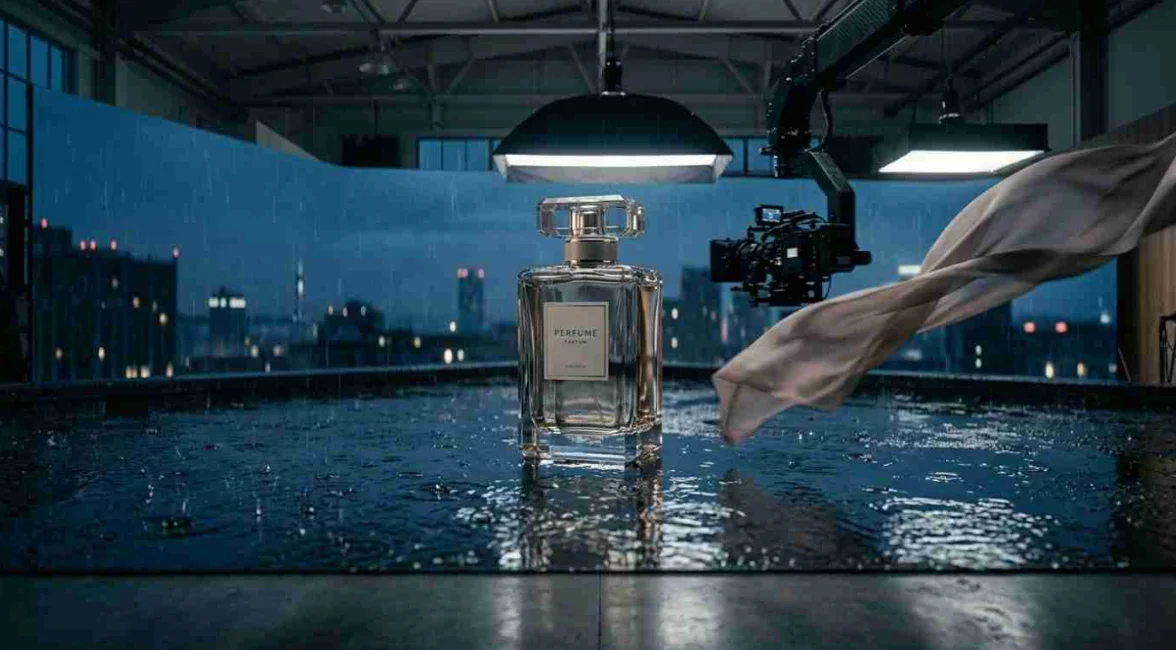
An ai video generator capable of producing cinematic product films changes the competitive dynamics of visual brand positioning in these categories. My team has used Higgsfield to produce product film concepts that hold up visually against traditionally produced reference content in the same category: the depth of field, the surface texture of product materials, the quality of simulated light. The output carries the premium signal that the brand needs to be taken seriously in its category, without the production budget that signal traditionally required.
The practical implication is that brands that previously couldn’t afford to produce premium product film content can now compete in the visual register of their category leaders. And brands that were already producing premium content can now do it at higher frequency, testing more visual approaches without the budget constraint that limited their experimentation.
Brand Story and Campaign Hero Video
Campaign hero video the piece of content that anchors a campaign visually and communicates the brand’s core story for a season or launch has historically been the highest-budget, lowest-frequency video content in a brand’s production calendar. Once or twice a year, the budget is committed, the production is commissioned, and the resulting content has to perform across every channel for months because there isn’t capacity to replace it.
An ai video generator capable of cinematic output changes the economics of hero video production. From my experience using Higgsfield for campaign concept development specifically, the ability to produce cinematic-quality hero video references in the pre-production phase before the production budget is committed changes how stakeholders engage with the creative direction decision. Instead of approving a concept described in a deck, they’re approving a visual reference that already communicates the cinematic register and emotional tone of the proposed campaign. The downstream production work is better because the alignment that used to happen after production has already happened before it.
Higgsfield’s output quality is the specific reason this works. A campaign hero video reference needs to communicate premium if the ai video generator output looks like a demo or an experiment, it undermines rather than supports the premium positioning the campaign is trying to establish. The cinematic quality of Higgsfield outputs is what makes them useful as genuine creative references rather than directional sketches.
Social and Platform-Specific Premium Content at Volume
The volume requirement for premium brand content across social platforms in 2026 is genuinely incompatible with traditional production economics. A brand maintaining premium visual standards across Instagram, LinkedIn, YouTube, and TikTok simultaneously needs content that looks like it was produced with intention and craft consistently, frequently, across formats that each have different compositional and rhythmic requirements.
My team noticed a specific pattern when we shifted toward using an ai video generator for social content production: the frequency at which we could produce content that met our visual quality standard increased dramatically, but the more important change was the consistency. Traditional production produces excellent outputs intermittently, around campaign cycles. An ai video generator running on a platform like Higgsfield produces consistently cinematic outputs continuously which means the brand’s visual standard holds across the calendar rather than peaking around campaigns and degrading between them.
According to the video marketing data from SaasUltra’s 2026 report, businesses using AI-driven video marketing see an 82% increase in ROI compared to traditional video creation and the brands at the top of that distribution are the ones producing AI video that maintains the cinematic quality standard rather than using AI as a cost-cutting mechanism that degrades it.
Comparing Cinematic AI Video vs Traditional Premium Video Production
| Factor | AI video generator (e.g. Higgsfield) | Traditional premium video production |
| Time to first cinematic output | Hours to days | Weeks pre-production, shoot, post |
| Cost per finished video | Fraction of traditional | $15,000–$150,000+ per produced piece |
| Visual quality ceiling | Cinematic-grade with right platform | Highest full creative crew and direction |
| Production frequency viable | High continuous at low cost | Low budget constrains to 1–4 per year |
| Brand consistency across volume | High with platform like Higgsfield | High but at high cost per piece |
| Format adaptation | Fast prompt-driven variation | Expensive separate edit per format |
| Pre-production visual alignment | Possible generate references before committing | Not practical commits budget first |
| Creative iteration and testing | Fast and affordable | Slow and expensive |
| Best suited for | Consistent premium brand presence, high-frequency social, pre-production alignment | Flagship campaign films, broadcast-quality hero content |
Pricing: What Cinematic Video Production Actually Costs Both Ways
| Approach | Entry Cost | Mid Tier | Premium / Agency | Notes |
| Higgsfield ai video generator | Free tier available | ~$20/month (paid plan) | Custom enterprise pricing | Unlimited generation within plan |
| Freelance videographer + post | $2,000–$5,000 per video | $5,000–$15,000 per video | $15,000–$40,000 per video | Per project; 2–3 week turnaround |
| Video production agency | $10,000–$25,000 per video | $25,000–$75,000 per video | $75,000–$250,000+ per video | Billed per project; premium includes full crew |
| In-house video team (loaded) | $80,000–$120,000/year | $120,000–$200,000/year | $200,000–$400,000+/year | Billed annually; salary + equipment + software |
| Brand film studio (flagship) | $50,000–$100,000 | $100,000–$300,000 | $300,000–$1,000,000+ | Highest craft, broadcast-quality, billed per project |
The pricing comparison makes the business case for an ai video generator clear at any tier below flagship production. The gap between what Higgsfield costs at mid-tier and what a production agency charges for a single piece of comparable visual quality is the kind of gap that changes how frequently a brand can communicate premium.
Pros and Cons
| Approach | Pros | Cons |
| AI video generator (Higgsfield) | Cinematic-quality output at a fraction of traditional cost; production frequency that sustains premium brand presence across platforms; pre-production visual alignment before budget commitment; format adaptation without re-commissioning; consistent visual quality across continuous output; 63% of video marketers now use AI tools for creation, up 12 percentage points in a single year; 82% ROI lift vs traditional video for brands using AI video effectively | Quality ceiling below flagship traditional production for broadcast-scale hero content; requires prompt discipline and creative direction to achieve cinematic register; low-quality AI video actively damages brand perception — platform choice matters critically; strategic brand judgment still requires human input |
| Traditional premium video production | Absolute highest craft ceiling; full creative crew brings direction, cinematography, and production design expertise; strong for broadcast and high-stakes brand-defining hero content; clear IP ownership of produced assets | High cost severely limits production frequency; slow turnaround prevents reactive content; format adaptation requires additional budget; creative iteration is expensive; cost barrier keeps premium visual standard out of reach for mid-market brands |
Which Option Better Suits Your Business Needs?
Use an ai video generator as your primary premium brand video production tool if your brand needs to maintain a consistent cinematic visual standard across platforms and channels at a frequency that traditional production economics can’t support. If your current video production model produces two or three premium pieces per year and leaves the rest of your content calendar visually inconsistent, the brand perception cost of that inconsistency is real and accumulating. Higgsfield specifically addresses this by producing cinematic-grade outputs that hold the visual standard across continuous production not just around campaign peaks.
Use traditional premium production for flagship moments: the brand film that anchors a major launch, the campaign hero video that will be seen by millions in a high-attention context, the piece of content where every frame will be scrutinized by a wide audience and where the brand’s reputation is directly at stake. The craft ceiling of traditional production remains the highest available, and for those specific moments it’s worth the investment.
For most brands building and sustaining premium perception in 2026, the right approach is both Higgsfield for the consistent, high-frequency cinematic content that holds the visual standard across the year, and traditional production reserved for the flagship moments where the investment is justified by the scale of the audience and the brand impact of the impression. The brands that understand this are outpacing their competitors visually, and at a cost structure that makes it sustainable.
Final Thoughts
The reason cinematic AI video is becoming the new standard for premium brand perception isn’t that the technology has convinced anyone to lower their standards. It’s that the technology has finally raised its own standards to the point where it can meet those of a premium brand consistently, without requiring a production budget that most brands can only deploy a few times per year. The visual quality barrier that separated premium brands from mid-market ones has not disappeared, but moved and the brands that recognize this earliest will build the most durable visual equity from the shift.
From my experience watching this play out across brand categories, the risk that matters most isn’t using an AI video generator and producing content that looks AI-generated. The risk is using a low-quality ai video generator and producing content that signals cheapness rather than craft. The 36% of consumers who say low-quality AI video lowers their brand perception aren’t rejecting AI they’re rejecting low quality. A platform like Higgsfield that produces cinematic-grade output eliminates that risk while delivering the production frequency that premium brand maintenance actually requires.
If your brand’s visual standard is inconsistent across platforms, if your production budget limits you to a few premium pieces per year, or if you’re watching competitors in your category build visual equity at a pace your current production model can’t match, an ai video generator is the structural solution. Higgsfield is where I’d start, built specifically for the cinematic quality register that premium brand perception requires, at the production economics that make consistent, high-frequency premium content operationally real.

Deepak Sharma
Namaste! I’m Deepak Sharma, the creative mind behind SocialFunda, your go-to hub for Facebook bios, captivating captions, Instagram bios, and a treasure trove of Hindi Shayari. As a digital enthusiast, I am passionate about curating content that adds a touch of flair to your online presence.