
How First Aid Courses Teach Calm Decision Making Under Pressure
Emergencies rarely come with warnings. Anywhere, at any time, someone can have a sudden fall, choke, have an incident, or have a cardiac attack. In these intense moments, panic is often the first reaction. However, well-structured first aid training teaches people how to replace fear with focus. Learning how to assess a situation quickly and act confidently can make a critical difference in outcomes. First aid courses are designed not only to teach practical skills but also to develop calm decision-making under pressure.
The Psychology of Emergencies
When faced with a crisis, the body naturally triggers a fight or flight response. Heart rate increases, breathing becomes rapid, and thinking can feel scattered. Without preparation, this stress reaction can lead to hesitation or mistakes. First aid courses address this challenge directly by familiarising participants with emergency scenarios in a controlled environment.
Through guided instruction and repeated practice, students become accustomed to the steps required in high-stress situations. This exposure reduces uncertainty and builds mental resilience. Instead of freezing, trained individuals learn to pause, assess, and act methodically.
Structured Response Frameworks Build Confidence
One of the most powerful tools taught in first aid programs is a structured response system. Techniques such as checking for danger, assessing responsiveness, calling for help, and providing care create a clear action plan. Having a defined sequence reduces confusion and allows the mind to focus on execution rather than uncertainty.
For example, participants in first aid bundaberg programs are guided through step by step emergency simulations. These structured frameworks train the brain to follow logical procedures even when adrenaline is high. Over time, this repetition transforms instinctive panic into automatic, confident action.
Scenario-Based Learning Enhances Real-World Readiness
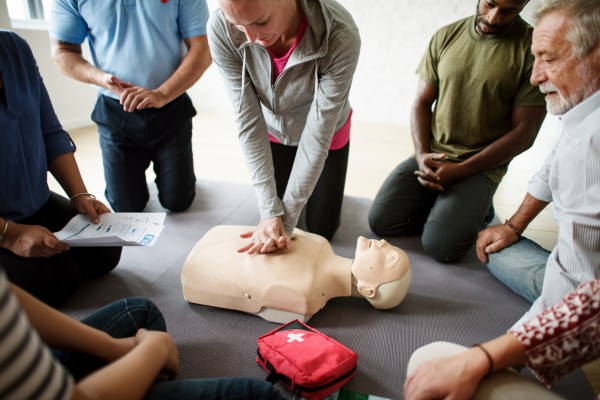
Practical exercises are a cornerstone of effective training. Rather than relying solely on theory, students practice responding to simulated emergencies. This hands-on approach reinforces both technical skills and emotional control.
In cpr training bundaberg, participants rehearse performing chest compressions and using automated external defibrillators in timed drills. Practising under simulated pressure conditions helps individuals manage stress while maintaining technique. When faced with a real-life cardiac emergency, their muscle memory and training take over, supporting calm and efficient decision-making.
Repetition Reduces Fear of the Unknown
Fear often stems from uncertainty. When someone does not know what to do, anxiety increases. First aid courses remove that uncertainty by providing clear instruction and repeated opportunities to practice skills.
Programs such as first aid and cpr courses bundaberg allow participants to revisit critical procedures multiple times during training. Repetition strengthens knowledge retention and builds familiarity with emergency equipment and protocols. As familiarity grows, fear decreases. This confidence becomes invaluable in real situations where quick, decisive action is required.
Communication Skills Under Pressure
Calm decision-making is not only about physical skills. It also involves effective communication. First aid courses teach participants how to give clear instructions, coordinate with others, and relay accurate information to emergency services.
Learning to speak clearly and assertively during simulations prepares individuals to guide bystanders, reassure injured persons, and provide precise details to paramedics. Strong communication reduces chaos and supports a more organised response.
Building Leadership in Critical Moments
In many emergencies, someone must step forward to take charge. First aid training empowers individuals to assume leadership roles when needed. By understanding procedures and practising real-life scenarios, participants gain the confidence to guide others.
Leadership in emergencies is less about authority and more about clarity. A calm voice, a structured plan, and decisive actions can stabilise a stressful environment. First aid courses nurture these qualities by placing participants in realistic practice situations that demand focus and responsibility.
A Lifelong Skill Beyond Certification
Training in first aid has many perks besides just getting a certificate. Having the ability to stay calm in a crisis can have a good effect on many areas of life, such as relationships and performance at work. Staying calm under pressure is a transferable skill that enhances decision-making in both emergencies and everyday challenges.
Ultimately, first aid courses teach more than how to bandage wounds or perform CPR. They cultivate confidence, clarity, and composure. By combining practical instruction with scenario-based training, these programs transform uncertainty into preparedness. When emergencies strike, those who have trained are far more likely to respond with calm, controlled action that can truly save lives.

Deepak Sharma
Namaste! I’m Deepak Sharma, the creative mind behind SocialFunda, your go-to hub for Facebook bios, captivating captions, Instagram bios, and a treasure trove of Hindi Shayari. As a digital enthusiast, I am passionate about curating content that adds a touch of flair to your online presence.