
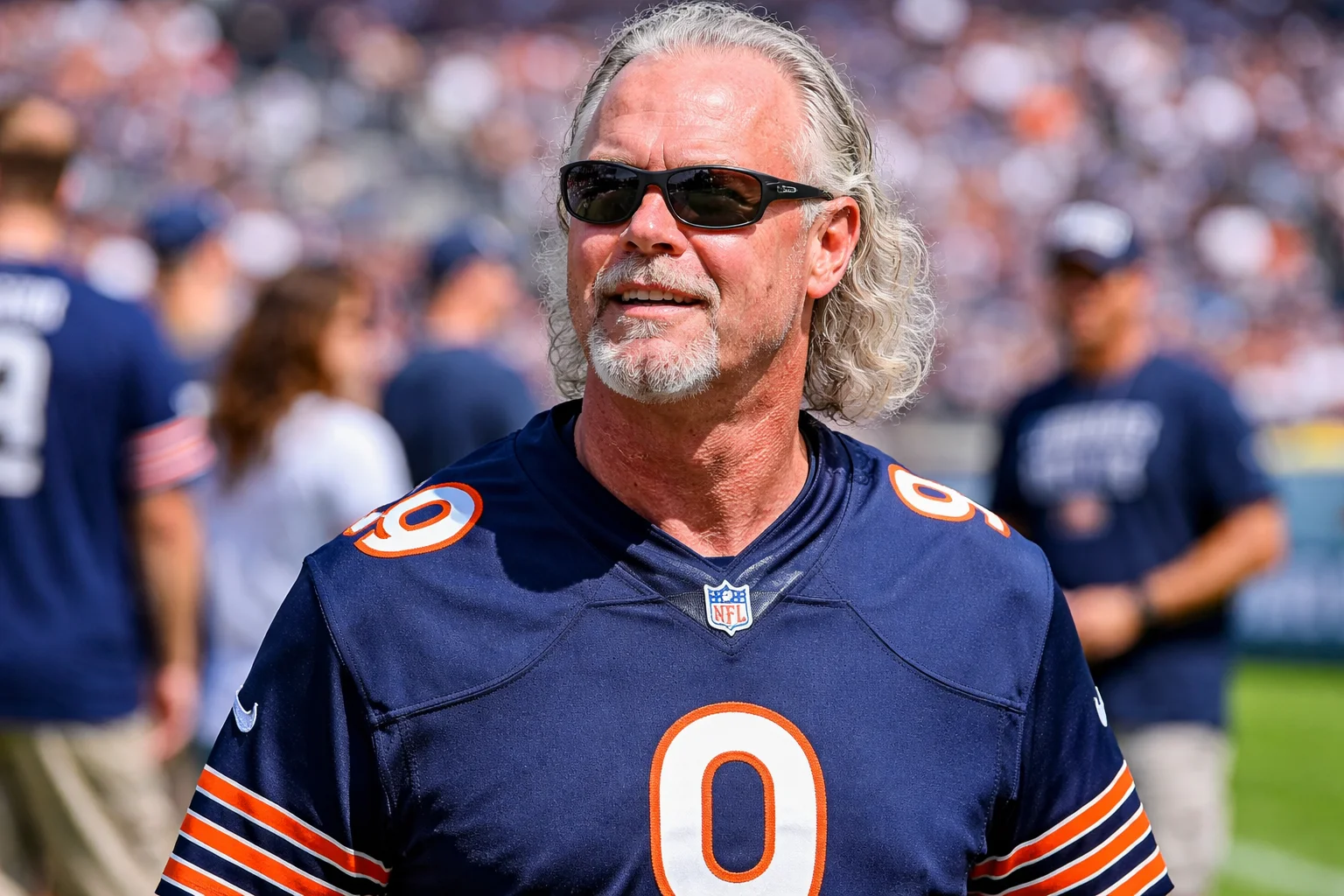
Jim McMahon’s Health Journey: Triumphs and Challenges
Jim McMahon, a name synonymous with NFL excellence, is a former quarterback whose career was marked by both remarkable achievements and significant health challenges. As fans and sports enthusiasts seek to understand the current state of Jim McMahon’s health, this article delves into his journey, exploring the impacts of his professional career on his well-being and shedding light on his ongoing health management strategies.
Introduction
Jim McMahon, best known for his pivotal role in leading the Chicago Bears to victory in Super Bowl XX, has been a prominent figure in the sports world. However, beyond his football accolades lies a complex health narrative that has captivated many.
From battling chronic traumatic encephalopathy (CTE) to dealing with various injuries sustained during his NFL career, Jim McMahon’s health story is one of resilience and advocacy.
Early Life and Career
Athletic Achievements
Born on August 21, 1959, in Jersey City, New Jersey, Jim McMahon quickly rose to fame as a talented athlete. His college career at Brigham Young University set the stage for his successful NFL journey.
Drafted by the Chicago Bears in 1982, McMahon’s dynamic playing style and leadership skills were instrumental in the team’s Super Bowl win in 1985.
Initial Health Concerns
Despite his early success, McMahon’s career was punctuated by numerous injuries. Concussions and head trauma were frequent occurrences, often leading to questions about the long-term impact on his health.
These early signs of health concerns would later become significant as he transitioned into retirement.
Health Challenges
CTE and Brain Injuries
One of the most pressing issues facing Jim McMahon has been chronic traumatic encephalopathy (CTE), a degenerative brain disease associated with repeated head injuries.
Known for its devastating effects on cognitive function, mood, and behavior, CTE has become a focal point in discussions about the health of former NFL players.
See also eTrueSports.com: The Ultimate Hub for Esports and Sports Enthusiasts
Other Diagnosed Conditions
In addition to CTE, McMahon has struggled with:
- Post-concussion syndrome
- Migraines
- Chronic pain
These conditions have often been linked to his time in the NFL, where he endured numerous hits and injuries. The cumulative effect of these health issues has significantly impacted his quality of life post-retirement.
Medical Diagnosis and Treatment
Initial Diagnosis
Jim McMahon’s journey with CTE and other health concerns began with a diagnosis of early-stage dementia, attributed to his history of head trauma. This diagnosis prompted further medical evaluations, revealing the presence of CTE.
Treatment Options and Effectiveness
McMahon has explored various treatment options to manage his symptoms, including:
- Neurosurgery – Procedures to relieve pressure on the brain
- Alternative medicine – Approaches such as chiropractic care and acupuncture
- Pain management – Use of medications and therapies to alleviate chronic pain
While these treatments have provided some relief, McMahon continues to advocate for more research and advancements in treating CTE and related conditions.
Impact on Lifestyle and Career
Career Adjustments
The health challenges faced by Jim McMahon have inevitably influenced his career trajectory. After retiring from the NFL, he has focused on raising awareness about the health risks associated with professional football.
His experiences have also informed his role as an advocate for player safety and better health practices in the sport.
Personal Life Changes
On a personal level, McMahon has had to make significant lifestyle adjustments to accommodate his health needs. This includes adhering to a structured routine that prioritizes his well-being and mental health.
Despite these changes, he remains active in the public eye, often sharing his journey with fans and fellow athletes.
Current Health Status
Recent Developments
As of 2023, Jim McMahon’s health continues to be a topic of interest. While he faces ongoing challenges, he remains proactive in managing his condition.
Recent public appearances and interviews have provided insights into his current health status, highlighting both improvements and ongoing struggles.
Ongoing Management Strategies
McMahon’s approach to managing his health involves:
- Medical treatments
- Lifestyle changes
- Advocacy work
He emphasizes the importance of mental health support and has become a vocal proponent of initiatives aimed at improving player safety in sports.
Advocacy and Awareness Efforts
Contributions to CTE Research
Jim McMahon’s personal experiences have fueled his dedication to CTE research and advocacy. He actively participates in initiatives that aim to educate the public about the risks of brain injuries and promote advancements in medical research.
Public Speaking Engagements
In addition to his research contributions, McMahon frequently engages in public speaking events. These platforms allow him to share his story, raise awareness about CTE, and advocate for better health practices within the NFL and other contact sports.
A Comparative Look at NFL Player Health
To better understand McMahon’s health journey, it’s helpful to compare his experiences with those of other former NFL players. The table below outlines some common health issues faced by retired athletes and the steps being taken to address them.
| Health Issue | Common Among Retired NFL Players | Treatment Approaches |
| CTE | High | Research, advocacy, lifestyle changes |
| Chronic Pain | High | Pain management therapies |
| Mental Health | Moderate | Counseling, support groups |
| Post-Concussion Syndrome | Moderate | Neurological therapies |
Conclusion
Jim McMahon’s health journey is a testament to his resilience and determination. Despite facing significant challenges, he continues to inspire others through his advocacy work and commitment to improving player safety in sports.
As research into CTE and brain injuries progresses, McMahon’s experiences serve as a crucial reminder of the importance of prioritizing athlete health and well-being.
FAQs
- What health issues is Jim McMahon currently facing?
Jim McMahon is dealing with chronic traumatic encephalopathy (CTE), post-concussion syndrome, and chronic pain, among other conditions. - How has Jim McMahon’s health impacted his daily life?
His health issues have led to significant lifestyle changes, including a focus on mental health support and structured routines to manage symptoms. - What treatments has Jim McMahon undergone for his health conditions?
McMahon has explored various treatments such as neurosurgery, alternative medicine, and pain management therapies to alleviate his symptoms. - What role does Jim McMahon play in CTE advocacy?
He actively participates in research initiatives and public speaking engagements to raise awareness about CTE and promote advancements in player safety. - How does Jim McMahon’s health journey compare to other former NFL players?
McMahon’s health challenges are similar to those faced by many retired athletes, highlighting the need for continued research and support for player health. - What is Jim McMahon’s current health status in 2023?
As of 2023, Jim McMahon continues to manage his health challenges with a proactive approach, focusing on medical treatments and advocacy work.
7. How can retired athletes manage similar health issues?
It is essential to prioritize medical evaluations, explore treatment options, and seek support from mental health professionals and advocacy groups.

Deepak Sharma
Namaste! I’m Deepak Sharma, the creative mind behind SocialFunda, your go-to hub for Facebook bios, captivating captions, Instagram bios, and a treasure trove of Hindi Shayari. As a digital enthusiast, I am passionate about curating content that adds a touch of flair to your online presence.