The Ultimate Guide to Delicious Jelly Recipes at Home
Jelly making is an art that combines the precision of science with the creativity of cooking. Whether you’re a seasoned home cook or a beginner looking to experiment, crafting homemade jelly can be a rewarding experience.
In this guide, we will explore a wide range of jelly recipes, from traditional fruit jellies to innovative, creative jelly dishes. You’ll also learn how to make jelly using various techniques and find tips to troubleshoot common issues, ensuring your jelly is perfect every time.
Introduction to Jelly Making
Jelly is a sweet spread made by cooking fruit juice with sugar and pectin until it reaches a gel-like consistency. It’s a versatile ingredient, used in both sweet and savory dishes, and can be made from a variety of fruits.
Homemade jelly recipes offer the opportunity to use fresh, seasonal produce, resulting in flavors that are far superior to store-bought options.
Why Make Jelly at Home?
- Quality Control: You control the ingredients, ensuring no artificial preservatives or excessive sugars.
- Customization: Experiment with different fruits and flavors to create unique combinations.
- Cost-Effectiveness: Making your own jelly can be more economical than purchasing premium brands.
Types of Jelly You Can Make
Making jelly at home allows you to explore a wide array of flavors and textures. Here are some popular and creative types of jelly you can try.
See also Transform Your Mornings with Primerem — A Smarter Way to Start the Day
Traditional Fruit Jellies
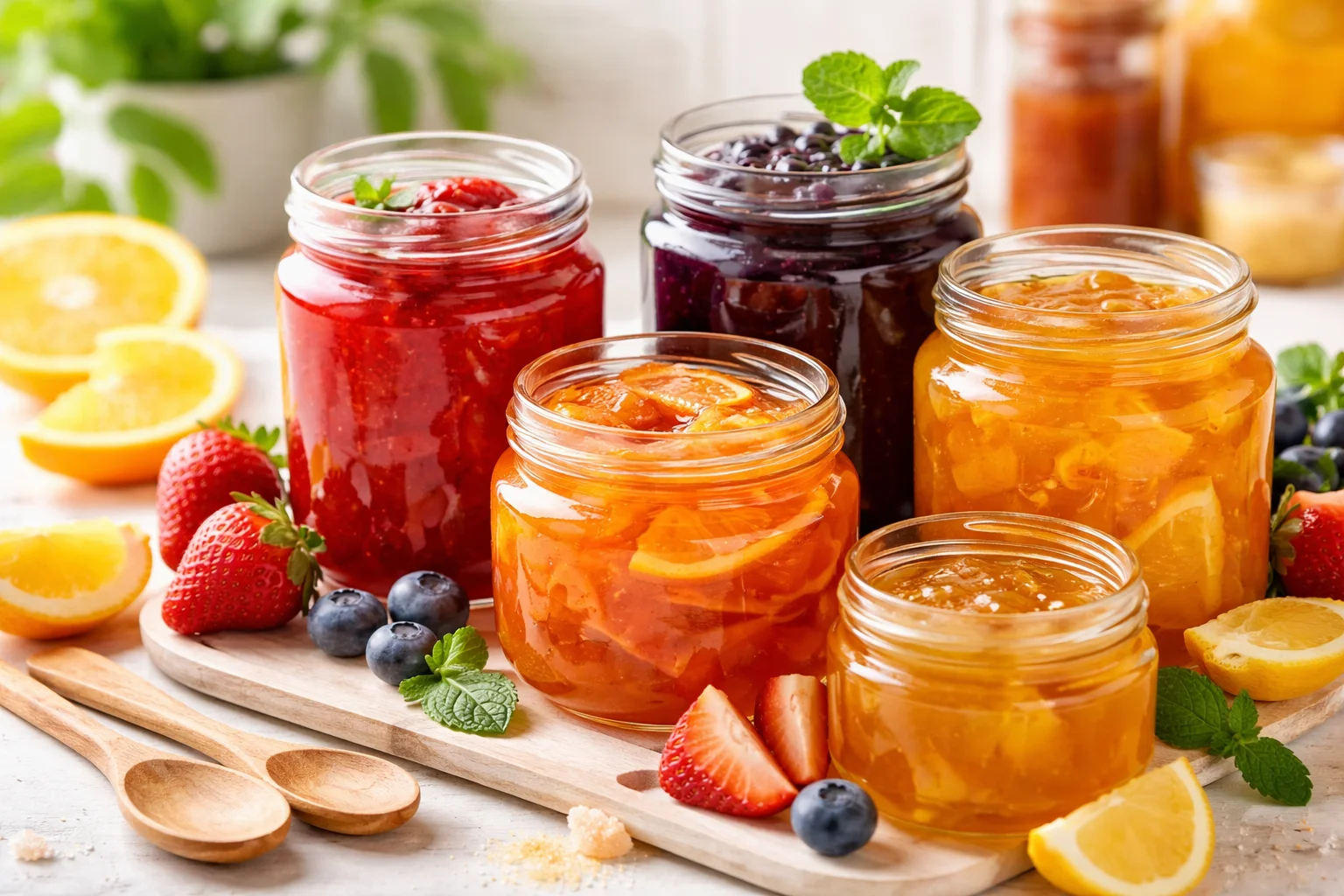
- Berry Jelly: Use a mix of strawberries, blueberries, and raspberries for a classic flavor.
- Citrus Jelly: Lemon, lime, and orange jellies offer a refreshing twist.
- Apple Jelly: A staple in many households, apple jelly is both sweet and tart.
Innovative Flavor Combinations
- Herb-Infused Jellies: Consider adding herbs like mint or basil for a sophisticated touch.
- Spicy Pepper Jelly: A perfect pairing for cheese and crackers.
- Wine Jelly: Use your favorite wine for a luxurious treat.
Flavor Pairing Ideas
| Fruit | Best Pairings | Unique Twist |
| Apples | Cinnamon, cloves | Add a splash of bourbon |
| Berries | Vanilla, lemon zest | Infuse with lavender |
| Citrus Fruits | Ginger, honey | Mix with chili for a kick |
Step-by-Step Jelly Making Process
Creating jelly involves several key steps, each crucial to achieving the desired texture and flavor.
Essential Ingredients and Tools
- Fruits or Fruit Juices: The base of your jelly.
- Sugar: Aids in preservation and sweetness.
- Pectin: A natural thickening agent.
- Lemon Juice: Helps in setting and preserving the jelly.
- Canning Jars: For storing your jelly.
Detailed Instructions
- Prepare the Fruit: Wash and chop the fruit, then extract the juice using a juicer or by simmering and straining the fruit.
- Measure Ingredients: Use precise measurements to ensure proper setting.
- Cook the Jelly: Combine the juice, sugar, and pectin in a large pot. Bring to a boil while stirring continuously.
- Test for Setting: Use a cold plate test to check if the jelly has reached the setting point.
- Jar the Jelly: Pour the hot jelly into sterilized jars, leaving some space at the top. Seal and process in a boiling water bath for preservation.
Tips for Achieving the Perfect Jelly
- Use Fresh Ingredients: Fresh fruit yields the best flavor and texture.
- Monitor Temperature: Use a candy thermometer to ensure the mixture reaches the correct temperature for setting.
- Adjust Pectin: Different fruits have varying levels of natural pectin; adjust accordingly.
Creative Jelly Recipes to Try
Expand your jelly-making skills with these creative recipes that offer a twist on traditional flavors.
Seasonal Fruit Jellies
- Peach and Ginger Jelly: Perfect for summer, combining the sweetness of peaches with the warmth of ginger.
- Cranberry and Orange Jelly: A festive option for the holiday season.
Savory Jellies for Cheese Pairing
- Rosemary and Red Wine Jelly: Complements sharp cheeses beautifully.
- Tomato and Basil Jelly: Ideal for a gourmet appetizer spread.
Troubleshooting Common Issues
Even experienced jelly makers encounter issues. Here are solutions to common problems.
- Jelly Didn’t Set: Ensure proper pectin levels and sufficient boiling time.
- Cloudy Jelly: Strain the juice thoroughly to remove pulp.
- Overly Sweet Jelly: Adjust sugar levels, especially if using naturally sweet fruits.
FAQs About Jelly Making
- What is the secret to making jelly set properly?
Use the right amount of pectin, and ensure the mixture reaches the correct temperature. - Can I use gelatin substitutes in jelly recipes?
Yes, agar-agar is a popular vegan alternative. - How long does homemade jelly last?
Properly sealed and stored, it can last up to a year. - What are the best fruits for making jelly?
Apples, berries, and citrus fruits are excellent choices due to their natural pectin content. - How can I make jelly without sugar?
Use natural sweeteners like honey or stevia, and adjust pectin accordingly.
Conclusion
Making jelly at home is a delightful and rewarding process that allows you to experiment with flavors and create something truly unique. Whether you’re interested in traditional fruit jellies or innovative combinations, the possibilities are endless.
So gather your ingredients, follow the steps, and enjoy the sweet satisfaction of homemade jelly. For more inspiration and detailed recipes, visit Recipes Jelly at:
http://www.recipesjelly.com
By following this guide, you’ll not only improve your jelly-making skills but also create delicious spreads that your family and friends will love.

Deepak Sharma
Namaste! I’m Deepak Sharma, the creative mind behind SocialFunda, your go-to hub for Facebook bios, captivating captions, Instagram bios, and a treasure trove of Hindi Shayari. As a digital enthusiast, I am passionate about curating content that adds a touch of flair to your online presence.