Artificial Green Wall: A Modern Solution for Natural Aesthetics, Interior Design, and Sustainable Spaces
Introduction to Artificial Green Wall Systems
An artificial green wall is a modern design solution that replicates the beauty of natural greenery using synthetic plants arranged on vertical surfaces. It is widely used in homes, offices, commercial buildings, and public spaces to create a refreshing and visually appealing environment without the maintenance demands of real plants. As urban spaces continue to expand and access to natural landscapes becomes limited, artificial greenery has emerged as a practical alternative for achieving a nature-inspired atmosphere indoors and outdoors.
Unlike living plant walls, which require soil, water, sunlight, and continuous care, artificial green walls are designed to maintain their appearance over time with minimal upkeep. This makes them especially suitable for environments where natural plant growth is difficult or impractical.
Understanding the Concept of Artificial Green Wall Design
The concept of an artificial green wall revolves around the vertical installation of synthetic foliage panels that mimic real plants. These panels are typically made from high-quality plastic materials, UV-resistant fibers, and realistic textures that closely resemble natural leaves, vines, and moss.
The primary goal is to create a visually rich green surface that enhances interior or exterior design. These installations can cover entire walls or be used as decorative accents depending on design preferences. The flexibility of artificial greenery allows designers to experiment with different patterns, densities, and plant combinations without the limitations of climate or soil conditions.
Artificial green wall systems are often modular, meaning they can be easily assembled, expanded, or modified according to the size and shape of the wall.
Benefits of Using Artificial Green Wall Installations
One of the most significant advantages of an artificial green wall is its low maintenance requirement. Unlike living plants, it does not need watering, pruning, or fertilizing. This makes it a cost-effective and time-saving solution for both residential and commercial environments.
Another key benefit is durability. High-quality artificial plants are designed to withstand fading, moisture, and environmental wear, ensuring long-lasting visual appeal. This makes them suitable for indoor areas as well as outdoor installations exposed to varying weather conditions.
Artificial greenery also improves aesthetic value by transforming plain walls into vibrant focal points. It enhances the overall ambiance of a space, creating a calming and refreshing environment that resembles natural greenery.
Additionally, artificial green walls contribute to better spatial design by adding depth and texture to otherwise flat surfaces. They can make small spaces appear more dynamic and visually engaging.
Applications of Artificial Green Wall in Modern Spaces
Artificial green walls are highly versatile and can be used in a wide range of environments. In residential settings, they are often installed in living rooms, balconies, kitchens, or home offices to create a natural and relaxing atmosphere. They are especially useful in apartments where access to outdoor gardens is limited.
In commercial spaces, artificial green walls are frequently used in office lobbies, reception areas, restaurants, and retail stores. They help create a welcoming environment for customers and clients while reinforcing brand identity through customized designs.
Event planners also use artificial greenery for weddings, exhibitions, and corporate events to create visually stunning backdrops. These installations provide a consistent and attractive appearance throughout the event without the risk of wilting or maintenance issues.
Outdoor applications include building facades, patios, and boundary walls, where artificial greenery enhances architectural design and improves curb appeal.
Design Flexibility and Customization Options
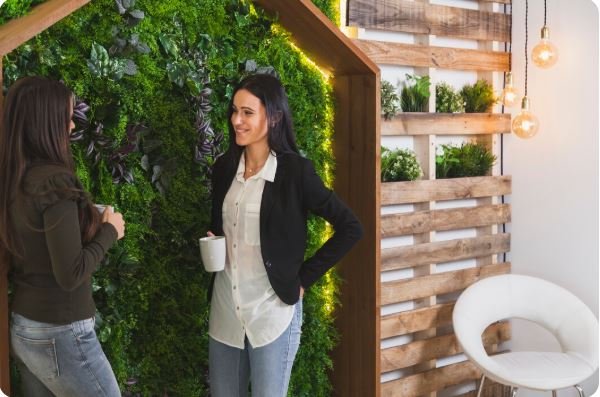
One of the most appealing aspects of an artificial green wall is its design flexibility. It can be customized to match different interior themes, color schemes, and architectural styles. Designers can choose from a wide variety of plant types, including ferns, ivy, moss, and tropical foliage, to create unique visual compositions.
The density of the greenery can also be adjusted depending on the desired effect. Some designs feature lush, dense coverage for a bold natural look, while others use minimal arrangements for a subtle decorative touch.
Lighting can further enhance the appearance of artificial green walls. When combined with LED lighting or natural light reflections, the textures and colors of the foliage become more dynamic and visually striking.
Installation Process and Structural Requirements
Installing an artificial green wall is generally simpler than maintaining a living plant wall. The process begins with preparing the surface, ensuring it is clean, dry, and structurally suitable for mounting panels.
Modular panels are then attached to the wall using screws, adhesive systems, or mounting frames. These panels are designed to interlock seamlessly, creating a continuous green surface without visible gaps.
In some cases, additional support structures may be used for larger installations to ensure stability and long-term durability. Once installed, the wall requires minimal adjustments, making it a convenient long-term design solution.
Maintenance and Longevity of Artificial Green Wall Systems
Although artificial green walls do not require watering or sunlight, they still benefit from occasional maintenance to preserve their appearance. Dust accumulation can be removed using a soft cloth, duster, or gentle air blower.
For outdoor installations, periodic cleaning may be necessary to remove environmental debris. However, compared to natural plant walls, the maintenance effort is significantly lower.
High-quality materials ensure that artificial greenery retains its color and texture for many years. UV-resistant coatings help prevent fading, especially in sun-exposed areas, making them suitable for long-term use.
Environmental and Practical Considerations
While artificial green walls do not offer the same ecological benefits as living plants, they still contribute positively to indoor environments by enhancing visual comfort and reducing the need for resource-intensive maintenance.
They eliminate the need for water consumption, fertilizers, and pesticides, which can be beneficial in regions where water conservation is important. Additionally, they reduce the risk of pests and allergens commonly associated with natural plants.
From a practical perspective, artificial greenery provides a consistent appearance throughout the year, regardless of seasonal changes or environmental conditions.
Cost Factors and Investment Value
The cost of installing an artificial green wall depends on several factors, including the size of the installation, quality of materials, and level of customization. While initial costs may vary, the long-term value is often higher due to minimal maintenance requirements.
Unlike natural plant walls, which incur ongoing expenses for care and replacement, artificial systems require very little upkeep. This makes them a cost-effective solution for businesses and homeowners looking for long-lasting decorative enhancements.
Investing in high-quality materials is essential, as cheaper alternatives may fade or deteriorate more quickly, reducing their overall value.
Artificial Green Wall in Modern Interior Design Trends
In recent years, artificial green walls have become a major trend in interior design. They are widely used in minimalist, contemporary, and eco-inspired spaces to introduce natural elements without the complexity of plant care.
Designers often use them as statement walls, creating focal points that draw attention and add depth to interiors. They also work well in combination with wood, stone, and metal materials, enhancing the balance between natural and modern design elements.
In corporate environments, artificial greenery is used to improve workplace aesthetics and create a more relaxed atmosphere, which can positively influence productivity and employee well-being.
Future of Artificial Green Wall Technology
The future of artificial green wall systems is expected to include more advanced materials, improved realism, and integration with smart design technologies. Innovations in manufacturing are already producing foliage that closely resembles real plants in both texture and movement.
There is also growing interest in combining artificial greenery with digital elements such as integrated lighting systems and interactive displays. These advancements will likely expand the use of artificial green walls in architectural and commercial applications.
As sustainability and design efficiency continue to influence modern construction, artificial green walls are expected to remain a popular choice for enhancing spaces without increasing maintenance demands.
Conclusion
An artificial green wall offers a practical and visually appealing solution for transforming ordinary surfaces into vibrant, nature-inspired designs. Its versatility, low maintenance requirements, and long-lasting durability make it suitable for a wide range of applications, from residential interiors to large commercial spaces.
While it does not replace the ecological benefits of living plants, it provides a reliable alternative for achieving greenery in environments where natural vegetation is not feasible. With proper design and quality materials, an artificial green wall can significantly enhance the atmosphere of any space, creating a balance between modern aesthetics and natural beauty.

Deepak Sharma
Namaste! I’m Deepak Sharma, the creative mind behind SocialFunda, your go-to hub for Facebook bios, captivating captions, Instagram bios, and a treasure trove of Hindi Shayari. As a digital enthusiast, I am passionate about curating content that adds a touch of flair to your online presence.