
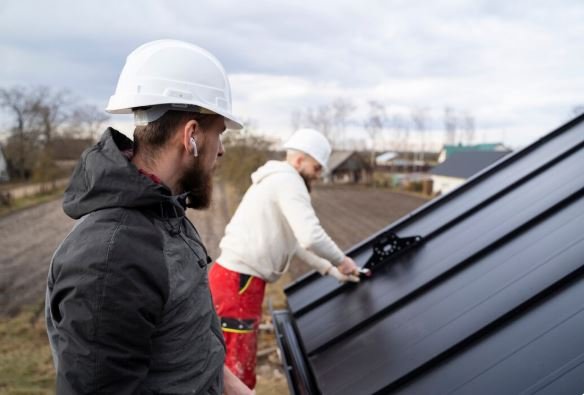
Comprehensive Roof Cleaning Services Using Eco-Friendly Techniques for Durable Results
The roof is one of the most critical components of any building, protecting the structure and its occupants from weather, water damage, and environmental hazards. Over time, roofs accumulate debris, moss, algae, mold, lichen, dirt, and pollution particles, which not only detract from a property’s appearance but can also compromise the roof’s integrity. Roof cleaning is an essential maintenance practice that restores visual appeal, enhances structural longevity, and prevents costly repairs. Whether applied to residential homes or commercial buildings, professional roof cleaning extends the life of roofing materials, improves energy efficiency, and helps maintain a safe and attractive property.
Although roof cleaning may seem straightforward, it requires proper techniques, appropriate tools, and knowledge of different roofing materials to achieve effective results without causing damage. Improper cleaning methods, such as high-pressure washing on delicate shingles, can lead to surface erosion, leaks, or structural issues. This article explores the benefits of roof cleaning, different cleaning methods, safety precautions, maintenance tips, and how to choose professional services for optimal results.
Understanding Roof Cleaning
Roof cleaning involves removing dirt, moss, algae, mold, lichen, and other contaminants from roofing surfaces. These substances often thrive in damp, shaded areas and can compromise the integrity of shingles, tiles, metal panels, or other roofing materials over time. Moss and algae, for instance, retain moisture, which can lead to rot or accelerate wear, while lichen growth may loosen shingles and allow water to seep into the structure.
Roof cleaning is not solely about aesthetics; it is a preventative maintenance practice that ensures roofs remain structurally sound. Depending on the type of roof, cleaning methods may vary. Asphalt shingles, for example, require gentle low-pressure washing with appropriate cleaning solutions, while metal or tile roofs can withstand more robust methods. Understanding the roof material and selecting the proper cleaning technique is crucial for achieving optimal results without damaging the surface.
Benefits of Regular Roof Cleaning
Regular roof cleaning provides numerous advantages for property owners. One of the most noticeable benefits is improved appearance. A clean roof significantly enhances a property’s curb appeal, making it look well-maintained and attractive. For commercial properties, this can positively impact clients’ perceptions and maintain a professional image.
Beyond aesthetics, roof cleaning protects the roof itself. Moss, algae, and mold can degrade roofing materials, leading to premature aging, leaks, and structural damage. By removing these contaminants, cleaning prevents deterioration and extends the lifespan of the roof, reducing the need for expensive repairs or full replacement.
Health and safety benefits also arise from roof cleaning. Algae and mold spores can spread to gutters, siding, and even indoor spaces, potentially affecting air quality and triggering allergies or respiratory issues. Cleaning the roof reduces the presence of these contaminants, promoting a healthier environment. Additionally, roof cleaning can improve energy efficiency. Algae and moss can trap moisture and heat, affecting insulation and ventilation, whereas a clean roof reflects sunlight more effectively, keeping buildings cooler during warmer months.
Common Roof Cleaning Methods
Several roof cleaning methods are available, each suited to different roofing materials and contamination levels.
- Soft Washing: Soft washing uses low-pressure water combined with specialized cleaning solutions to remove algae, moss, and mold gently. This method is ideal for asphalt shingles and other delicate surfaces that could be damaged by high-pressure washing. Soft washing not only cleans the roof but also kills organisms at the root, preventing regrowth for an extended period.
- Low-Pressure Washing: Low-pressure washing involves rinsing the roof with water at controlled pressure to remove dirt, debris, and light moss or algae. This method minimizes the risk of damaging shingles while effectively cleaning surfaces.
- High-Pressure Washing: High-pressure washing can be used on durable surfaces like metal or concrete tile roofs. The strong water stream removes heavy moss, lichen, and built-up dirt. However, caution is required, as excessive pressure can strip shingles or tiles and create gaps for water infiltration.
- Chemical Treatments: In addition to physical cleaning, chemical treatments may be applied to prevent the return of moss, algae, or lichen. These treatments are often combined with soft washing techniques for maximum effectiveness, particularly in regions with high humidity or frequent rainfall.
Selecting the right method ensures a balance between cleaning efficiency and roof preservation, achieving long-lasting results without compromising material integrity.
Tools and Equipment for Roof Cleaning
Professional roof cleaning requires specialized tools and equipment. Commonly used items include soft-bristle brushes, extension poles, garden hoses, low-pressure spray systems, cleaning solutions, and protective gear. For large or commercial roofs, powered soft washing systems or specialized chemical sprayers may be used to increase efficiency while maintaining safety.
Ladders, scaffolding, and harnesses are essential for safe access to elevated areas. For delicate or steep roofs, safety equipment prevents accidents and allows thorough cleaning without risking injury. Choosing the appropriate tools based on the roof type, material, and contamination level ensures effective and safe cleaning.
Safety Precautions in Roof Cleaning
Roof cleaning can be hazardous if proper precautions are not taken. Working at height introduces the risk of falls, while slippery surfaces and water use increase hazards. Protective equipment, including gloves, safety glasses, non-slip footwear, and harnesses, is critical for both professionals and DIY cleaners.
Before cleaning, the roof should be inspected for structural stability, loose shingles, or fragile areas. Weather conditions should also be considered, as wet or windy conditions can increase the risk of accidents. For large-scale or commercial projects, professional contractors follow strict safety protocols, including scaffolding, fall arrest systems, and controlled water pressure, ensuring the safety of both the crew and the property.
Regular maintenance following roof cleaning prolongs the benefits and extends the lifespan of the roof. Property owners should inspect the roof periodically for moss, algae, or debris accumulation, particularly in shaded or damp areas. Cleaning gutters, downspouts, and surrounding areas prevents water damage and supports proper drainage.
Applying preventive treatments, such as anti-moss or anti-algae solutions, can reduce regrowth and maintain the roof’s appearance over time. Seasonal inspections, particularly after winter or rainy seasons, allow for early detection of damage and timely maintenance, preventing costly repairs.
Environmental and Economic Considerations
Roof cleaning is environmentally responsible when performed using biodegradable or low-impact cleaning solutions. Reducing chemical runoff protects plants, animals, and soil quality while still achieving effective cleaning. Hot or soft washing techniques minimize water usage compared to aggressive high-pressure methods, supporting sustainable maintenance practices.
Economically, regular roof cleaning reduces long-term costs by preventing premature roof replacement, minimizing structural repairs, and maintaining property value. For commercial properties, a clean roof contributes to positive client impressions and workplace safety, demonstrating both financial and reputational benefits.
Professional Roof Cleaning Services vs. DIY
Property owners may choose between professional roof cleaning services and DIY methods. Professionals bring expertise, specialized equipment, and knowledge of safe techniques for different roofing materials. They can handle large, steep, or complex roofs safely and efficiently, ensuring thorough cleaning without causing damage.
DIY roof cleaning may be suitable for smaller or accessible residential roofs. However, improper techniques, such as high-pressure washing on delicate shingles, can result in damage, leaks, or shortened roof lifespan. Homeowners attempting DIY cleaning should carefully follow guidelines, use appropriate tools, and prioritize safety to achieve effective results.
Conclusion
Roof cleaning is a critical aspect of property maintenance, providing aesthetic, structural, safety, and economic benefits. By removing moss, algae, mold, lichen, dirt, and debris, roofs are preserved, energy efficiency is improved, and the lifespan of roofing materials is extended. Selecting the appropriate cleaning method, using specialized tools, and following safety protocols ensures effective results without compromising the roof’s integrity. Whether undertaken by professional contractors or as a carefully managed DIY project, roof cleaning is an investment in property longevity, visual appeal, and occupant safety. Incorporating regular roof cleaning into maintenance routines protects your property, enhances curb appeal, and ensures that your roof continues to perform effectively for years to come.

Deepak Sharma
Namaste! I’m Deepak Sharma, the creative mind behind SocialFunda, your go-to hub for Facebook bios, captivating captions, Instagram bios, and a treasure trove of Hindi Shayari. As a digital enthusiast, I am passionate about curating content that adds a touch of flair to your online presence.