
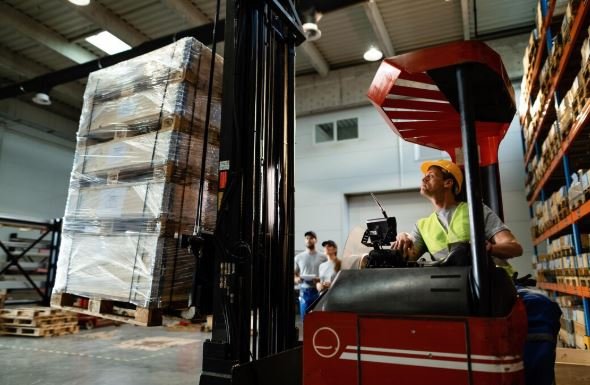
Maximizing Efficiency and Safety Through Comprehensive Forklift Service
In modern industrial, warehouse, and logistics operations, forklifts are indispensable tools that support the movement of heavy materials, streamline workflow, and reduce reliance on manual labor. These machines are fundamental to ensuring that materials are transported efficiently, production timelines are met, and business operations remain smooth. However, the reliability, safety, and longevity of forklifts are highly dependent on regular and professional forklift service. This service involves systematic inspection, preventive maintenance, repairs, and technical support, all aimed at keeping forklifts operational and minimizing the risk of breakdowns. Investing in professional service not only extends the life of the equipment but also safeguards employees, reduces operational disruptions, and enhances overall productivity. A well-structured forklift service plan ensures that forklifts operate at peak performance while complying with safety regulations, thus preventing workplace accidents and maintaining the smooth flow of materials throughout any operation.
The importance of professional forklift service is reflected in the operational efficiency it brings to a business. Forklifts are often subjected to extreme working conditions, including heavy loads, continuous movement, and exposure to harsh environments such as warehouses, construction sites, or manufacturing floors. Without regular maintenance and servicing, these conditions can lead to component wear, mechanical failures, and reduced machine efficiency. Downtime caused by unplanned breakdowns can result in lost productivity, delayed shipments, and increased operational costs. Therefore, scheduling regular inspections and servicing ensures that forklifts remain safe, reliable, and capable of meeting the demands of daily operations. Businesses that prioritize forklift maintenance experience improved workflow, enhanced operational reliability, and a significant reduction in emergency repair costs.
Understanding Forklift Service
Forklift service encompasses a variety of maintenance and repair activities designed to keep forklifts functioning safely and efficiently. This includes preventive maintenance to avoid failures, corrective repairs to resolve operational issues, inspections to ensure compliance with safety standards, and technical assistance for complex mechanical or electrical problems. Regular service ensures that forklifts perform optimally while minimizing risks to operators and surrounding personnel.
Preventive maintenance, a critical aspect of forklift service, involves routine checks of essential components such as brakes, hydraulics, engines, electrical systems, and tires. This type of maintenance is conducted according to manufacturer guidelines or operational usage schedules to ensure that minor issues do not escalate into costly failures. Corrective maintenance, on the other hand, addresses specific problems that arise unexpectedly or are identified during inspections. This may include repairing worn hydraulic cylinders, replacing faulty steering components, or restoring damaged forks. Emergency or on-demand services are also vital, particularly in high-demand environments, where any equipment downtime can disrupt operations and result in financial losses. A professional forklift service ensures that all components are thoroughly checked and maintained, providing businesses with peace of mind and uninterrupted productivity.
Key Components Covered in Forklift Service
A comprehensive forklift service addresses all critical systems of a forklift, ensuring optimal performance, safety, and reliability. The hydraulic system, responsible for lifting and tilting loads, requires careful inspection of fluid levels, hoses, and cylinders to prevent leaks and maintain proper functionality. Braking and steering systems are also prioritized during service to ensure the safe handling of heavy loads, as failures in these systems can lead to serious accidents.
The engine and transmission, which are central to forklift operation, undergo regular maintenance, including oil changes, filter replacements, and transmission checks. Electrical systems, including battery maintenance, wiring inspections, and alternator checks, are also essential to prevent malfunctions that could disrupt operations. Tires and wheels are evaluated for wear and proper alignment to maintain stability and traction, while forks and attachments are inspected for cracks, bending, or damage that could compromise lifting capacity and safety. By addressing each of these components, professional forklift service ensures that every aspect of the machine operates efficiently, reliably, and safely.
Benefits of Regular Forklift Service
Engaging in consistent forklift service offers numerous advantages that directly impact operational efficiency, safety, and cost management. Enhanced safety is the most significant benefit, as forklifts are capable of carrying heavy loads in environments where human activity is constant. Regular service ensures that brakes, hydraulics, steering, and other critical systems function correctly, reducing the risk of accidents and injuries. Safety inspections also ensure compliance with workplace safety regulations and manufacturer guidelines, protecting both operators and employers from potential liability.
Reduced downtime is another critical benefit of regular forklift service. Unplanned breakdowns can halt operations, disrupt production schedules, and increase labor costs, while preventive maintenance keeps forklifts in working order and available whenever needed. Extended equipment lifespan results from timely maintenance and repairs, preventing premature wear and maximizing the return on investment. Operational efficiency improves as forklifts perform at optimal levels, handling materials quickly and accurately, which in turn increases productivity throughout the facility. Cost savings are realized through the avoidance of expensive emergency repairs, minimized downtime, and the maximization of equipment lifespan, making professional forklift service a highly cost-effective investment.
Applications Across Industries
The need for reliable forklift service spans a wide range of industries, each with unique operational demands. In warehousing and logistics, forklifts are critical for moving large volumes of inventory, loading and unloading shipments, and facilitating material flow throughout facilities. Regular service ensures consistent availability, reducing operational delays and improving fulfillment accuracy. In manufacturing, forklifts transport raw materials, components, and finished products across production lines. Well-serviced forklifts minimize bottlenecks, maintain production schedules, and support high throughput levels.
Construction sites also rely heavily on forklifts for transporting building materials, machinery, and equipment. Timely forklift service ensures that these machines can operate in challenging conditions safely and effectively, allowing projects to stay on schedule. In retail and distribution centers, where high-volume material handling is routine, well-maintained forklifts enhance inventory management, expedite order processing, and improve overall operational efficiency. Additionally, industries such as food processing, healthcare, and chemical manufacturing benefit from regular forklift service, as it ensures that specialized equipment operates safely, maintains compliance, and meets stringent operational requirements.
Technological Advancements in Forklift Service
Modern forklift service incorporates advanced diagnostic tools, telematics, and predictive maintenance strategies that enhance reliability and efficiency. Telemetry systems can monitor forklift performance in real-time, alerting service teams to potential issues before they become critical. Predictive maintenance uses data analytics to schedule service activities based on operational usage, reducing unnecessary maintenance and preventing downtime. Mobile service units equipped with specialized tools and replacement parts allow technicians to respond quickly to on-site service requests, minimizing operational disruptions.
Incorporating technology into forklift service also supports sustainability initiatives. Energy-efficient diagnostic and maintenance practices, along with proper handling of fluids and batteries, contribute to environmental responsibility while maintaining equipment performance. Businesses that adopt these technological advancements benefit from improved operational efficiency, reduced maintenance costs, and extended equipment longevity.
Safety and Compliance Considerations
Safety and regulatory compliance are integral components of any professional forklift service. Safety inspections include checking horns, lights, seat belts, alarms, and emergency controls to ensure that all devices function correctly. Operators may also receive training on proper usage and safety protocols, reinforcing safe handling practices and reducing the likelihood of accidents. Compliance with local or national workplace safety regulations, such as OSHA guidelines, requires documented maintenance records and inspection logs. Professional service providers maintain these records, helping businesses demonstrate compliance while protecting employees from potential hazards. Regular service ensures that forklifts remain reliable, safe, and capable of performing their tasks without endangering personnel or property.
Cost Considerations and Long-Term Value
While professional forklift service may appear to be an additional expense, the long-term value far exceeds the costs. By preventing unplanned breakdowns, minimizing downtime, and extending equipment lifespan, businesses achieve substantial operational and financial benefits. Preventive maintenance avoids costly emergency repairs, reduces labor interruptions, and ensures forklifts are always ready to perform essential tasks. Well-maintained equipment also improves employee confidence, as operators can rely on machines that are safe, responsive, and efficient. Investing in professional forklift service is a strategic decision that supports long-term operational success, cost management, and overall productivity.
Conclusion
Forklifts are essential assets for any operation that requires the handling of heavy materials, whether in warehousing, manufacturing, construction, or distribution. Ensuring their efficiency, reliability, and safety depends on regular professional forklift service, which includes preventive maintenance, inspections, repairs, and component-specific attention. Comprehensive service minimizes downtime, extends equipment lifespan, improves safety, and enhances operational productivity. Organizations that prioritize forklift maintenance not only protect their investments but also foster a safer and more efficient workplace. In an environment where operational efficiency, employee safety, and equipment reliability are critical, professional forklift service is not optional but an essential strategy for sustained business success.

Deepak Sharma
Namaste! I’m Deepak Sharma, the creative mind behind SocialFunda, your go-to hub for Facebook bios, captivating captions, Instagram bios, and a treasure trove of Hindi Shayari. As a digital enthusiast, I am passionate about curating content that adds a touch of flair to your online presence.