
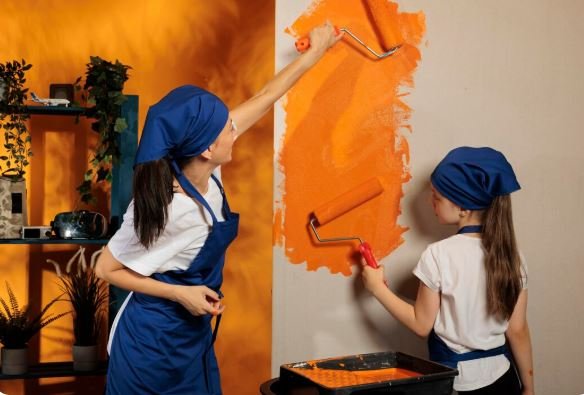
Interior Painting: Comprehensive Tips, Techniques, Expert Advice, and Step-by-Step Guidance for a Perfect Home Transformation
Interior painting is one of the most transformative ways to enhance the look, feel, and overall value of your home. Unlike simple decor changes, painting the interior of a house allows homeowners to breathe new life into living spaces, create a sense of harmony, and protect walls from everyday wear and tear. It is not only about color choice but also about technique, surface preparation, and material selection. Done correctly, interior painting provides a polished, long-lasting finish that elevates the entire atmosphere of a home. For homeowners looking to improve aesthetics, create a fresh ambiance, or prepare a property for sale, professional interior painting is a practical and high-impact solution.
The Benefits of Interior Painting
Investing in interior painting offers multiple advantages that go beyond simply changing wall colors. One of the most immediate benefits is aesthetic improvement. Over time, walls can become dull, stained, or marked by everyday life, which diminishes the overall appearance of a space. Freshly painted walls instantly uplift a room, making it feel cleaner, brighter, and more inviting. The color of walls also influences mood and perception; light colors can make a room feel more spacious and airy, while darker tones can create a cozy, intimate atmosphere.
Durability is another key benefit. High-quality paints, when applied correctly, protect surfaces from scratches, moisture, and wear. In high-traffic areas like kitchens, hallways, or living rooms, interior painting helps maintain the integrity of walls for years, reducing the frequency of repairs and touch-ups. Eco-friendly and low-VOC paints further improve indoor air quality, making interior painting not only a cosmetic improvement but also a health-conscious choice for the household.
Moreover, interior painting increases the value of a property. Well-maintained walls convey care and attention, creating a positive impression for potential buyers or guests. Homes with freshly painted interiors often sell faster and at higher prices because the overall space looks well-kept and modern. By updating interiors through painting, homeowners achieve a cost-effective way to enhance both aesthetics and market value.
Preparing Surfaces for a Flawless Finish
Successful interior painting begins long before a brush touches the wall. Surface preparation is the foundation of a durable, professional-quality finish. Start by removing furniture, wall decorations, and fixtures to ensure full access to surfaces. Cover floors and remaining items with drop cloths or protective plastic sheets to prevent paint splatters.
Cleaning is critical. Walls must be free from dust, grease, and grime, which can prevent paint from adhering properly. In areas like kitchens and bathrooms, degreasing solutions are often necessary to remove residues that could cause peeling or uneven coverage. After cleaning, sanding is applied to smooth imperfections, roughen glossy surfaces, and eliminate old paint flakes. Any cracks, dents, or holes should be filled and sanded to prevent imperfections from showing through the final coat.
Priming is often required, especially for surfaces with stains, repaired areas, or significant color changes. A high-quality primer ensures better paint adhesion, prevents color bleeding, and enhances the uniformity of the finish. Skipping this step may save time initially, but it can compromise the longevity and appearance of the paint over time. Professional interior painting always emphasizes proper preparation as it directly impacts the durability and aesthetic outcome of the project.
Selecting the Right Paint and Finish
Choosing the right paint and finish is essential for achieving a high-quality interior painting result. Paints vary in formulation, sheen, durability, and application methods. Latex paints are popular for most walls and ceilings due to their quick drying time, ease of application, and low odor. Oil-based paints, on the other hand, are highly durable and commonly used for trim, doors, or surfaces requiring extra resistance to moisture and wear.
The finish plays a significant role in both appearance and function. Flat or matte finishes create a soft, smooth look ideal for hiding imperfections, making them perfect for ceilings and low-traffic areas. Eggshell and satin finishes offer a subtle sheen while being more washable and durable, suitable for living rooms, bedrooms, and dining spaces. Semi-gloss and gloss finishes are highly durable, moisture-resistant, and easy to clean, making them ideal for kitchens, bathrooms, and trim. Professional interior painting services recommend finishes that balance aesthetic goals with practical considerations, ensuring surfaces are both beautiful and long-lasting.
Techniques for Professional Interior Painting
The difference between ordinary and professional interior painting lies in technique and attention to detail. Proper application methods ensure an even, smooth, and durable finish. Professionals typically use a combination of brushes, rollers, and sprayers to achieve optimal results. Brushes are ideal for cutting-in along edges, corners, and moldings, while rollers are used for large flat surfaces to provide uniform coverage without streaks. Sprayers are often used for furniture, cabinets, or textured surfaces, giving a smooth, professional-grade finish.
Applying multiple thin coats of paint rather than one thick layer is a crucial technique. Thin layers prevent drips, streaks, and uneven coverage while ensuring stronger adhesion. Sanding between coats further smooths the surface, allowing each layer to bond properly. Interior painting also requires careful handling of architectural details like crown molding, baseboards, and door frames, as these elements contribute significantly to the overall visual impact of a room. Attention to these details ensures a seamless and polished finish.
Common Mistakes to Avoid
Even experienced homeowners can make mistakes during interior painting that compromise the quality and longevity of the project. Skipping preparation steps, such as cleaning, sanding, or priming, is one of the most common errors. Using low-quality paint or incorrect tools can result in uneven coverage, streaks, or a finish that wears quickly. Painting in poor lighting or under unsuitable environmental conditions can also affect color perception and drying performance.
Professional interior painting avoids these mistakes through systematic planning, proper tool selection, and adherence to best practices. By relying on experts, homeowners achieve a durable, flawless finish without the trial-and-error risks of DIY projects. Professional painters also provide guidance on color selection, finishes, and maintenance, ensuring results that meet both aesthetic and functional expectations.
Maintenance and Longevity
Maintaining newly painted interiors is essential for preserving both appearance and functionality. Routine cleaning with non-abrasive products removes dust, dirt, and minor stains without damaging the paint. High-traffic areas may require periodic touch-ups to address scuffs or chips. Retaining leftover paint from the original project ensures consistency for minor repairs, keeping the interior looking fresh over time.
Proper maintenance extends the life of interior painting, reducing the need for frequent repainting and preserving the investment. Well-maintained painted surfaces contribute to a cleaner, more polished home environment while keeping rooms vibrant and aesthetically pleasing for years.
Why Professional Interior Painting Is Worth the Investment
While DIY painting might seem like a cost-saving option, professional interior painting delivers significant advantages in quality, efficiency, and durability. Skilled painters bring expertise in preparation, material selection, color matching, and application techniques that are difficult to replicate without experience. Professionals also manage projects efficiently, minimizing disruption to daily life and ensuring consistent, high-quality results.
By choosing professional interior painting, homeowners invest in a polished, durable finish that enhances the home’s visual appeal, protects surfaces, and increases property value. The combination of expertise, high-quality materials, and proper techniques ensures that interior painting achieves results that far exceed the outcomes of amateur efforts.
Conclusion
Interior painting is more than just a decorative upgrade; it is a strategic investment in the aesthetics, protection, and long-term value of a home. From meticulous surface preparation and proper primer application to careful paint selection and expert techniques, professional interior painting guarantees a smooth, durable finish that transforms living spaces. It revitalizes walls and ceilings, enhances room ambiance, and provides practical benefits such as durability, easy maintenance, and improved indoor air quality. Whether updating a single room or undertaking a full-house makeover, interior painting is a cost-effective, high-impact solution for creating beautiful, lasting interiors. By relying on professional expertise, homeowners can achieve a home that is visually stunning, well-protected, and perfectly tailored to their style and needs.

Deepak Sharma
Namaste! I’m Deepak Sharma, the creative mind behind SocialFunda, your go-to hub for Facebook bios, captivating captions, Instagram bios, and a treasure trove of Hindi Shayari. As a digital enthusiast, I am passionate about curating content that adds a touch of flair to your online presence.